

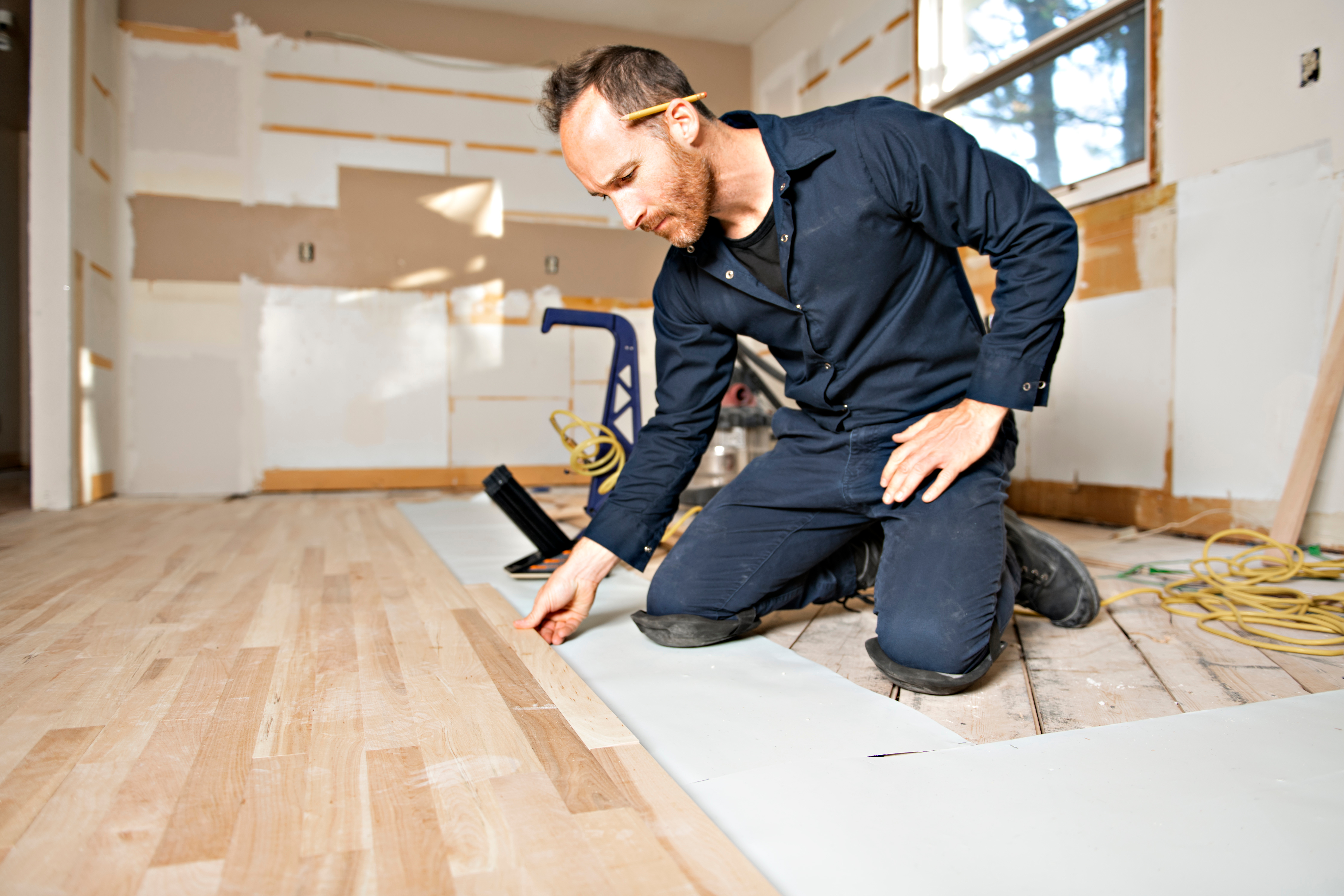
You’ve got the keys, the paint chips, and a list of projects a mile long. Somewhere near the top is getting rid of that tired flooring the previous owner “lived with” for years. The challenge: you want the warmth of wood underfoot, but you also need a plan that fits a real-world starter-home budget.
Below is a straightforward way to think through hardwood and laminate costs so you can upgrade confidently instead of guessing.
Step 1: Decide where hardwood makes the most impact
In a typical starter home, you don’t have to cover every square foot in hardwood to get a big visual upgrade. Prioritize the spaces you see and feel the most: living room, main hallway, maybe the dining area. Bedrooms and secondary spaces can often use a more budget-friendly material that still looks cohesive.
In our climate, solid wood demands careful humidity control, so many homeowners choose engineered hardwood options that stay more stable through wet winters and drier summers. Focusing this type of flooring in 300–500 square feet of “showpiece” space lets you enjoy real wood while keeping the project within reach.
If you’re still learning the trade-offs between species, finishes, and constructions, a deep dive into the hardwood education resources can clarify which choices line up with both your budget and your lifestyle.
Step 2: Use laminate strategically to stretch your budget
Once you’ve mapped your high-visibility areas, look at the rest of the house through a different lens: durability per dollar. Secondary bedrooms, home offices, or even basements with a proper subfloor are great candidates for laminate that echoes the look of your hardwood without the same price tag.
Water-resistant and waterproof laminates are especially practical in an Everett entry, hallway from the garage, or a small mud zone that sees wet shoes from October through April. Many homeowners pair their wood in the main living area with waterproof laminate planks in these moisture-prone paths so they’re not worrying about every puddle or spill.
If you want to compare how laminate stacks up against other value-focused materials like luxury vinyl or sheet vinyl, the broader flooring overview guide is a helpful starting point before you commit your dollars.
Step 3: Separate material, installation, and “hidden” costs
When you’re building a budget, think in three buckets instead of one big number:
- Materials: planks, trim pieces, thresholds, and underlayment
- Labor: what it takes to remove old floors, prep the subfloor, and install the new surface
- Extras: baseboards, door adjustments, floor vents, and any moisture barriers
In older Everett homes with original subfloors, some portion of your budget should be reserved for prep work. The installation professionals we work with are used to discovering squeaks, dips, or past DIY fixes once the old carpet comes up, and the guidance on our installation service page outlines the kind of prep that leads to a long-lasting result.
On the materials side, you can often trim cost by choosing a slightly narrower plank or a different species while keeping the same general look. Browsing a range of engineered oak and hickory styles will show how color and grain can matter more to your eye than the most premium price tier.
Step 4: Match your budget to a realistic timeline
The last piece of budgeting is timing. You don’t have to do everything in one shot. Many first-time buyers phase flooring upgrades over a year or two: main living spaces first, then bedrooms, then lower levels.
If you’d rather complete more of the project up front and spread the cost out, Completely Floored offers flexible financing options that can turn a single big expense into manageable monthly payments. That can make it easier to choose the floor you’ll still love in ten years instead of the one that just barely fits this month’s cash on hand.
When you’re ready to see how different hardwoods and laminates actually look under the Pacific Northwest light, our 19,000 sq. ft. showroom lets you compare finishes side by side and talk through numbers with a real person. If you’d like help turning your wish list into a line-item plan for your own starter home, you can schedule a free in-home flooring estimate and we’ll help you build a budget that makes sense.


