

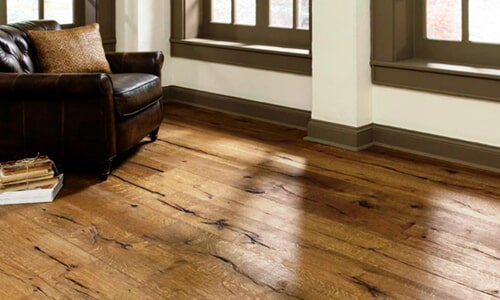
Marysville is building its future. With the Cascade Industrial Center driving economic growth and over 14,000 new housing units projected through 2044, the city is experiencing unprecedented new home construction. If you're one of the lucky homeowners building new in Marysville, you're making choices that will shape your home for decades. One of the most critical of those choices happens before drywall goes up: flooring decisions. Making the right choices early prevents costly changes later and ensures your hardwood floors perform beautifully in our Pacific Northwest climate.
Most builders present flooring options after framing is complete, but savvy homeowners know that the time to decide is earlier--during the planning phase. Why? Because your flooring choice affects subfloor specifications, underlayment requirements, and even layout decisions about transitions and trim. Hardwood flooring is especially sensitive to these early decisions, and getting them right means enjoying beautiful, stable floors that age gracefully rather than dealing with cupping, gaps, and movement problems.
The first decision: wood species. This choice matters enormously in Marysville's climate. Our Pacific Northwest environment features significant seasonal humidity swings, especially between wet winters and drier summers. White oak and red oak are the most popular choices, but they behave differently. White oak is slightly more stable and slightly more resistant to moisture fluctuations, making it a smart choice for homes in our region. Red oak offers a warmer, more visible grain pattern that some prefer aesthetically. Both are excellent--the key is understanding that your species choice affects how your floor will respond to seasonal changes.
Plank width is the next critical decision. Wide planks (5-7 inches) create a dramatic, contemporary look but are more prone to movement in our climate because wider boards experience more significant expansion and contraction across their width. Narrower planks (2.25-3.25 inches) are more stable and are traditionally the safer choice for variable climates like ours. Many new construction homes in Marysville successfully use medium-width planks (3.5-4.5 inches) that balance visual impact with stability. This is worth discussing with your builder and flooring specialist before decisions are locked in.
Consider engineered hardwood for new construction. Mullican and Shaw both offer excellent engineered hardwood specifically designed for new builds. Engineered hardwood has a solid hardwood veneer over a plywood base, which resists movement better than solid hardwood in our climate. For new homes that will experience significant seasonal humidity changes, engineered hardwood from quality manufacturers often outperforms solid hardwood. This isn't a compromise--it's engineered to succeed in the Pacific Northwest.
Acclimation is perhaps the most overlooked factor in new construction flooring. Hardwood must sit in your new home for several weeks before installation, allowing the wood to adjust to the moisture and temperature levels of your specific space. Many new construction timelines don't account for this properly, leading to problems down the road. When you're planning your flooring, build in explicit acclimatization time--typically 3-4 weeks post-drywall, post-HVAC installation. This isn't delay; it's investment in floor stability.
Transition planning deserves early attention too. Before drywall, you need to coordinate how hardwood will meet other flooring types--tile in the kitchen, possibly tile in bathrooms, possibly carpet in bedrooms. These transitions need proper planning for height compatibility, moisture barriers, and aesthetic flow. Discussing this with your builder during the planning phase prevents awkward, expensive fixes later.
Subfloor preparation is critical. In Marysville's climate, your subfloor should have moisture barriers installed, especially if you're building on concrete. Even slab-on-grade construction needs vapor barriers below the hardwood. This is decided before framing, not after--another reason to think about flooring early.
One often-missed decision: finish type. Pre-finished hardwood (milled at the factory) vs. on-site finishing offers different advantages. Pre-finished is faster and consistent. On-site finishing allows custom stains and exact color matching but requires more drying time. Both are valid for new construction; the choice affects your timeline and final aesthetic.
Finally, warranty and expectations. Quality hardwood from manufacturers like Mullican and Shaw comes with warranties that address common issues, but only if installation and acclimatization follow specifications. New construction homeowners in Marysville should understand what their hardwood warranty covers and what conditions it requires.
New construction is the ideal time to make flooring decisions because you can plan comprehensively rather than retrofit around existing homes. You're not just picking a product; you're designing a system that will perform beautifully in Marysville's specific climate for decades.
If you're building new in Marysville, don't navigate these decisions alone.
The specialists at Completely Floored work regularly with new construction buyers and builders in Snohomish County. We can review your plans, discuss species and width options appropriate for our climate, and ensure your installation and acclimatization process sets your hardwood floors up for long-term success. Visit our Everett showroom to see samples of the hardwood options available, or call to schedule a consultation about your new home project.


