

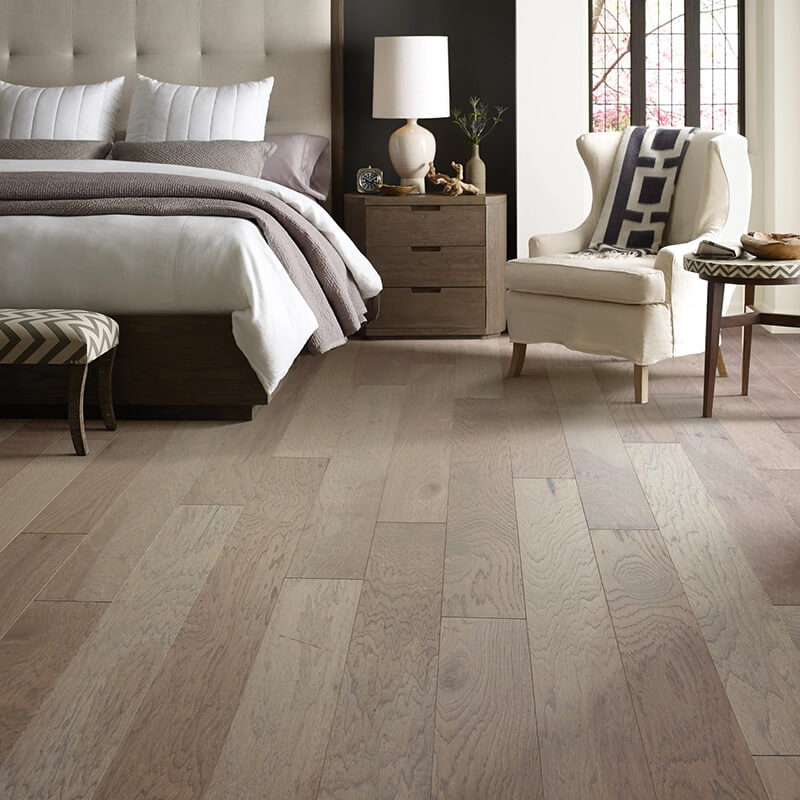
In a multi-story home, sound travels in ways people rarely think about until the house is actually lived in. Footsteps from an upstairs hallway, a chair sliding back at breakfast, or a dog making one last lap before bed can all seem louder when wood flooring replaces older carpet. In Stanwood, where many households want the warmth and resale appeal of real wood without making the whole house feel noisier, the right solution usually comes down to construction, underlayment, and room-by-room planning rather than giving up on hardwood altogether.
Start with the right wood construction
When homeowners picture a quieter wood floor, they often focus on the surface and miss what sits beneath it. In our climate, that matters twice. Pacific Northwest homes deal with damp air, seasonal moisture swings, and plenty of wet shoes near entries, so the most practical place to begin is usually with multi-layer hardwood built for better stability. Engineered planks do not eliminate sound on their own, but they pair well with sound-reducing underlayments and tend to perform more predictably than solid boards in homes that see humidity changes throughout the year.
That stability also helps upstairs rooms feel more settled over time. A floor that moves less is easier to keep tight at the seams, and fewer small gaps or shifts can mean fewer little noises as the seasons change. If you want to compare species, widths, and finishes in person, our filterable wood flooring selection gives you a good starting point before you step into the showroom.
Underlayment does more work than most people realize
The biggest sound improvement in a second-floor installation often comes from what you never see after the job is finished. A quality acoustic underlayment helps soften impact noise, which is the sharp sound created when heels, toys, or pet nails hit the floor. It will not make an active household silent, but it can take the edge off those repetitive sounds that travel into downstairs living areas.
Just as important, the subfloor has to be flat and properly prepared before any plank goes down. Small inconsistencies underneath can create hollow spots, movement, or clicking that homeowners mistake for a product problem. That is why many people benefit from reviewing what goes into professional floor prep and installation planning before choosing a material. We work with installation professionals who have been handling projects through our showroom for up to 25 years, and that experience matters when sound control depends on details most people never notice.
Put hardwood where it shines, and use transitions wisely
Quiet design is often about restraint. Bedrooms, home offices, and upstairs lofts are great places for hardwood because the rooms are usually drier and the traffic is more predictable. Wet-adjacent spaces are different. In bathrooms, laundry areas, or entries that stay damp through much of the year, a waterproof product may simply be the smarter call. If part of your remodel includes those zones, it helps to compare water-resistant surfaces for splash-prone areas so the whole floor plan works together instead of forcing one material into every room.
Transitions matter too. A well-planned change between rooms can help manage both movement and acoustics, especially in larger upstairs layouts. In many homes around Marysville and nearby communities, the quietest result comes from combining real wood in the right spaces with more forgiving materials where moisture or heavy impact is part of daily life.
See and hear the differences before you decide
Photos online can show color, but they cannot tell you how a floor feels underfoot or how one plank construction compares with another in a lived-in home. That is where a showroom visit becomes useful. You can walk across different surfaces, compare board thickness, and talk through whether a certain layout would benefit from wider planks, softer species visuals, or a different installation approach. Our hard-surface learning library is also helpful if you want to understand the tradeoffs before making a final choice.
A quieter upstairs hardwood floor is absolutely possible. The best results come from matching the product to the structure of the home, respecting our damp regional conditions, and not treating sound control as an afterthought. If you want help narrowing down the right fit for your layout, schedule a free in-home flooring estimate and we’ll help you think through the details.


