

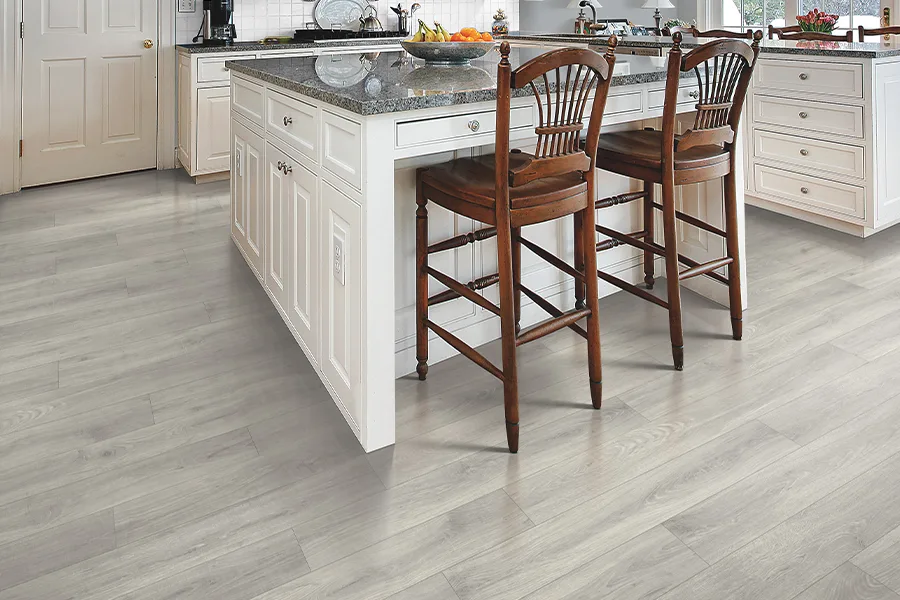
If you’ve ever shopped for laminate and noticed labels like AC3 or AC4, it’s easy to assume they’re just industry jargon. In reality, that small code tells you a lot about how a floor will hold up to daily life. For households in Everett, where wet shoes, dog paws, and gritty debris can get tracked in for much of the year, understanding AC ratings can help you choose a floor that feels good on day one and still looks good after years of use.
What an AC rating actually measures
AC stands for Abrasion Criteria, a rating used to describe how well laminate resists wear. It’s based on testing for surface durability, including scratching, impact resistance, staining, and burn resistance. In simple terms, the higher the number, the tougher the wear layer tends to be.
For most homes, AC3 is a solid residential benchmark. It usually performs well in bedrooms, living rooms, and other spaces with normal foot traffic. If your house stays busy all day, though, you may want to compare waterproof laminate styles built for active households, especially for entry points and family zones where dirt and moisture show up regularly.
Why AC3 and AC4 matter most for homeowners
Many shoppers assume they should buy the highest rating available, but that is not always necessary. The better question is how your rooms are used. A guest room and a kitchen entry live very different lives. AC3 often gives homeowners the right balance of durability and value, while AC4 can make sense when you want extra insurance against heavy wear from kids, pets, or frequent entertaining.
That matters even more in the Pacific Northwest, where moisture is part of everyday living. Laminate is still a wood-based product, so durability is not only about scratching. It’s also about choosing a construction that suits your environment. If you want a closer look at products designed for real-world spills, RevWood Plus collections with a waterproof surface system are worth understanding before you make a final decision.
AC ratings do not tell the whole story
This is where a lot of homeowners get tripped up. An AC rating measures wear performance, but it does not tell you everything about core stability, locking strength, board realism, or how the floor will react to seasonal humidity swings. In homes near Lake Stevens or farther inland toward Monroe, those conditions can change more than people expect.
That’s why it helps to look beyond the label and learn how laminate is built as a category. A quick read through our laminate learning library can give you a better feel for how thickness, locking systems, and moisture resistance all work together. If you’re comparing across categories because one room sees more splash risk than another, it’s also smart to review waterproof flooring options across multiple constructions before narrowing your shortlist.
How to choose the right rating for your rooms
A good rule of thumb is to match the floor to the stress level of the space. Bedrooms, formal living areas, and lower-traffic offices often do well with AC3. Hallways, open kitchens, and busy family rooms may justify AC4, especially if your routine includes sports gear, muddy boots, or large dogs racing in from the backyard.
Just as important, you want to see these differences in person. Photos can help, but they won’t show you how texture, board length, and edge detail change the look under real light. In our showroom, you can compare wood-look laminate designs from multiple brands side by side and talk through where a higher wear rating is truly useful versus where it may be more than you need.
Choosing laminate should feel less like decoding a product sheet and more like matching a floor to the way you actually live. AC ratings are a helpful shortcut, but the best decision comes from pairing that number with moisture awareness, room use, and the look you want underfoot. If you’d like help sorting through the options, start with a free in-home estimate.


