

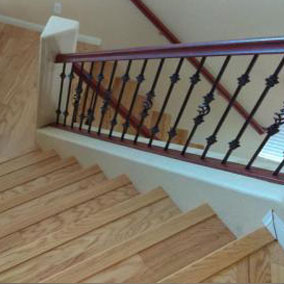
Lynnwood is changing rapidly. The opening of the Sound Transit light rail in August 2024 has catalyzed major development, and "The District" redevelopment is bringing hundreds of new multifamily units to the community. With a lot of residential units planned, Lynnwood's condo and townhome market is booming. If you're a new owner or considering a purchase in one of these developments, one of your earliest decisions will be about flooring. And if you're in a condo or townhome, you're likely dealing with shared walls, shared floors, and possibly HOA guidelines--which means flooring choices become more nuanced than they would be in a single-family home.
When you're choosing flooring for a Lynnwood condo or townhome, two factors rise to the top: sound control and HOA approval. Unlike a single-family home where noise is your own concern, condos and townhomes require consideration for your neighbors below and next door. At the same time, most HOAs have specific flooring requirements or restrictions. Understanding the difference between engineered hardwood and laminate--and what each option offers in terms of sound control and compliance--will help you make a choice that keeps both your HOA and your neighbors happy.
Let's start with sound. When you're living in a multifamily setting, footsteps, rolling chairs, and everyday movement can transmit through floors to the units below. This is where acoustic ratings become important. Flooring products are rated using two key metrics: IIC (Impact Insulation Class) and STC (Sound Transmission Class). IIC measures how well a floor absorbs impact noise--think footsteps and dropped objects. STC measures how well it blocks airborne sound--like voices and music. Higher numbers are better for both ratings. Most HOAs in Lynnwood developments will specify minimum IIC ratings, often 60 or above.
Both engineered hardwood and laminate can achieve good acoustic performance, but the real secret is underlayment. The underlayment--the layer between your floor and the subfloor--is what does most of the sound-dampening work. A quality acoustic underlayment can increase your IIC rating by 20+ points, transforming a standard floor into a quiet, neighbor-friendly option. Many condo and townhome HOAs actually require underlayment with a minimum IIC rating, so this isn't optional--it's mandatory.
Engineered hardwood offers the authentic hardwood appearance that many Lynnwood homeowners desire. The plywood base makes it more stable in our region's varying humidity compared to solid hardwood, and the genuine hardwood veneer on top looks and feels like the real thing. For HOAs that specify "hardwood flooring," engineered hardwood typically qualifies. One advantage of engineered hardwood in condos is that the plywood base itself contributes to sound dampening. When combined with a quality acoustic underlayment, engineered hardwood can achieve excellent IIC ratings while maintaining the warmth and beauty of authentic wood.
Laminate flooring is the other strong contender for Lynnwood condos and townhomes, especially for budget-conscious buyers. Modern laminate is durable, water-resistant, and aesthetically convincing. It can mimic the look of hardwood, stone, or tile--giving you design flexibility to match any interior style. Laminate is also easier and faster to install than engineered hardwood, which can be an advantage if you're working with timeline constraints. Like engineered hardwood, laminate's sound performance depends heavily on underlayment quality. A moisture-barrier underlayment with good acoustic properties is essential for townhome and condo applications.
The HOA consideration is crucial here. Some Lynnwood developments specify hardwood flooring exclusively, which would mean laminate doesn't comply. Others allow both options as long as sound ratings meet their standards. Before making any purchase decision, check your HOA's flooring guidelines. It's worth having that conversation with your HOA or building management before you select materials--you don't want to install flooring only to be asked to replace it.
Underlayment differences between engineered hardwood and laminate installations are worth understanding. Engineered hardwood is often installed over a thin, moisture-resistant underlayment that still allows some wood movement. Laminate typically requires a more robust moisture barrier because laminate is less forgiving of moisture exposure. For Lynnwood townhomes and condos, where shared walls and floors mean shared moisture concerns, this distinction matters. Quality underlayment with proper moisture management is non-negotiable in multifamily settings.
Cost is another practical consideration. Laminate flooring is typically more budget-friendly than engineered hardwood, both in material cost and installation. If you're balancing flooring investment with other condo or townhome priorities, laminate can deliver excellent appearance and performance at a lower price point.
The choice between engineered hardwood and laminate ultimately depends on your HOA requirements, your acoustic needs, your design preferences, and your budget. Lynnwood's diverse community brings diverse perspectives, and we make sure our guidance is clear and straightforward--because good flooring decisions matter.
We invite you to visit Completely Floored and see both engineered hardwood and laminate options side by side. Our team can review your HOA requirements with you, explain how underlayment works in your specific situation, and help you understand the acoustic performance of different combinations. Whether you're in one of the new developments near the light rail or established Lynnwood neighborhoods, we're here to guide you toward flooring that works for your condo or townhome. Give us a call or stop by our showroom to discuss your project.


