

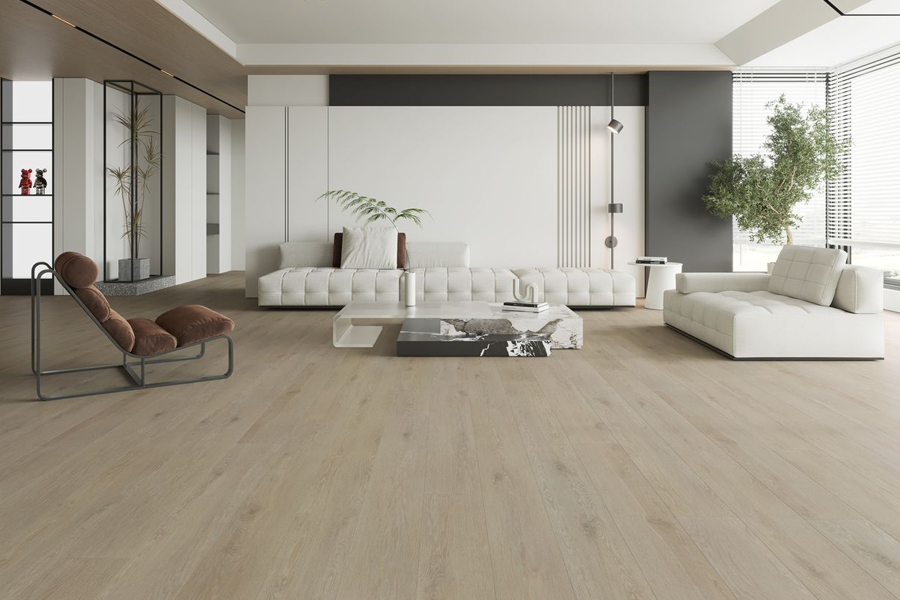
If you have an older laminate floor in your Everett split‑level that’s peeling at the edges, it’s easy to assume all laminate is flimsy, fake, or loud. A lot of what people “know” about laminate comes from first‑generation products from the 90s, not from what’s actually available in today’s showrooms. Modern laminate, especially the waterproof lines built for our rainy Pacific Northwest climate, is a very different story.
Let’s clear up a few myths so you can decide if laminate belongs in your next project with facts, not outdated reputation.
Myth #1: “Laminate always looks fake”
Early laminate had repeating patterns and a plastic shine, so this myth started with a grain of truth. Today’s better lines use high‑definition printing, deeper embossing, and matte finishes that track closely with real wood. You’ll see plank-to-plank variation, knots, mineral streaks, and even saw marks that keep the floor from looking like a sticker.
If you like the look of oak or hickory but not the price tag or maintenance, it’s worth browsing the wood‑look laminate designs that mimic those species with surprising realism. In a busy family room, most guests will assume they’re walking on hardwood unless you tell them otherwise.
Key takeaway: Modern laminate can absolutely pass the “does this look like real wood?” test, especially once furniture and rugs are in place.
Myth #2: “Laminate can’t handle Pacific Northwest moisture”
It’s true that traditional laminate swelled and chipped when water sat on it. That’s where most online horror stories come from. But manufacturers responded by engineering locked‑in surface systems, tighter joints, and water‑resistant cores that stand up much better to damp shoes and pet bowls.
For entryways, kitchens, and mudrooms that see constant wet traffic from fall through spring, families are turning to waterproof laminate collections that are designed for standing spills and repeated mopping. In Snohomish County’s climate, you still need basic common sense—wipe up big puddles, use mats at exterior doors—but you no longer have to panic over every dropped ice cube.
If you want belt‑and‑suspenders moisture protection, it can also be smart to compare these laminates to waterproof luxury vinyl options for basements or laundry rooms where water is more than an occasional visitor.
Key takeaway: Not all laminate is created equal; the right product, installed over a properly prepped subfloor, can live happily in our rainy environment.
Myth #3: “Laminate is loud, slippery, and uncomfortable”
Older floating floors sometimes sounded hollow because they were installed over minimal underlayment. Today, underlayments are engineered to absorb sound, smooth minor subfloor irregularities, and add a bit of cushioning. That makes a big difference in condos and townhomes in places like Lynnwood, where noise transfer matters.
The surface itself has also evolved. Many of the Mohawk laminate lines and similar products add texture that you can feel underfoot, which helps with both traction and that “this feels like wood” impression. Paired with the right pad, laminate can feel warmer and softer than tile while still being easy to clean.
If you’re weighing comfort in upstairs bedrooms or a media room, you might also look at how stain‑resistant carpets compare for sound absorption and underfoot softness; often the best solution is using both materials in different zones of the home.
Key takeaway: With modern underlayments and textured finishes, laminate doesn’t have to sound or feel cheap.
Myth #4: “Laminate is a short‑term, throwaway floor”
Many Snohomish County homeowners still think of laminate as a stopgap choice you expect to replace in five years. In reality, better‑built products use dense cores, advanced wear layers, and tight locking systems that hold up for decades under normal residential use.
Brands like RevWood are specifically engineered for scratch resistance, which is a big deal when kids, dogs, and hiking boots come through the door all day. You can compare these tough RevWood and RevWood Plus planks to see just how much abuse they’re designed to take before you see wear in high‑traffic paths.
Longevity isn’t just about the product, though. Proper acclimation, subfloor testing, and expansion gaps matter in our region’s damp‑then‑dry seasonal cycle, which is why the installation professionals we work with pay close attention to moisture readings and layout details.
Key takeaway: Quality laminate, installed correctly, is a long‑term finish, not a disposable one.
Myth #5: “If I can afford wood, laminate is a downgrade”
For some rooms, solid or engineered hardwood is absolutely the right call. For others, laminate is the smarter choice even when budget isn’t tight. Think about a Lake Stevens lakefront home with sandy feet, dripping towels, and pets running in and out all summer; a waterproof laminate or vinyl may actually protect your investment better than traditional wood.
If you’re still deciding where laminate fits into your project, it can help to read a broader overview of laminate’s benefits and versatility before you finalize a material list. Many homeowners end up mixing categories—hardwood in formal spaces, laminate in high‑traffic family zones, and LVP or tile in the wettest rooms.
Key takeaway: The “best” floor is the one that matches how you really live in each space, not what sounds most impressive on paper.
If you’re rethinking what laminate can do in your home, the next step is to see and feel it in person. You can start a project conversation and set up a visit from our team by requesting a free in‑home flooring estimate.


